FAQs
We share our knowledge by telling things as they are.
We have gathered and we answer your most frequently asked questions.
Feel free and ask about anything else that concerns you.
What conditions should I ensure in my vaginal area to keep it healthy?
From the appearance of the first period until the end of the last period, specific conditions prevail in the vaginal area that ensure the physiology of the area. These conditions are:
- the presence of natural flora with dominant microorganisms the lactobacilli which constitute the first line of defense for the area and prevent the development of pathogenic microorganisms,
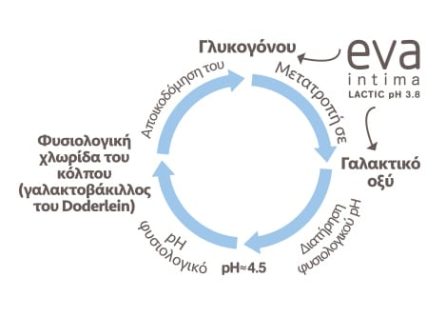
- the production of glycogen by the vaginal mucosa which constitutes the nutritional medium for the survival and maintenance of lactobacilli,
- the release of lactic acid by lactobacilli as a result of the metabolism of glycogen they consume and the creation of an acidic environment, favorable to the acidophilic natural flora with vaginal pH values of 5 to 4.5.
- the moisture of the vaginal mucosa
With the presence of these conditions, a balance prevails that protects women of every age from the possible appearance of infections or irritations in the broader area.
Why should I use specially designed cleansers in the sensitive area daily? From what age should I use special products?
The sensitive area (external genitals) is a particularly vulnerable point of the female body. It consists of different tissues (skin, mucosa) with different needs, which come face to face daily with factors that tend to disrupt the balance of the area (discharge, urine, synthetic underwear, scented sanitary pads, swimwear, pantyhose, etc.). For these reasons, it is necessary to adopt and maintain daily care and hygiene. Cleaning with water alone is not recommended as it does not effectively remove discharge that could be a means for the development of pathogenic microorganisms. At the same time the pH of water disrupts the naturally acidic pH of the skin and mucosa of the area creating a feeling of dryness, thus reinforcing the appearance of disorders. Also the use of cleansers for the rest of the body or hair (shower gels, shampoos) are not recommended due to the strong cleansing agents, soaps, colors and fragrances that they mainly contain.
The specially designed for the sensitive area cleansers without soap and strong cleansing agents, respect the physiology of each different tissue without drying and changing the acidic pH of it. At the same time the absence of artificial colors and fragrances reduces the probability of appearance of irritations and allergies. Their enhanced compositions with ingredients with natural antimicrobial protection strengthen the local protection and care for the area.
The specially designed daily cleansing products:
- should not contain: soap or strong cleansing agents, antiseptic substances, artificial colors and fragrances
- should provide: gentle cleansing with the use of mild cleansing agents, acidic pH, ingredients with hypoallergenic properties and natural mode of action which strengthen the natural antimicrobial protection of the area while at the same time caring for and nurturing it.
The use of specially designed cleansers needs to be adopted from a very young age (even shortly after birth) with the selection of the appropriate product for each age.
What is vaginitis?
Vaginitis is characterized as inflammation of the vaginal mucosa, that is, the membrane that covers the inner surface of the vagina.
What are the symptoms of vaginitis?
The main symptoms of vaginitis regardless of its cause are the presence of itching, irritation, burning and excessive discharge of different texture, odor and color from the normal ones. Often there can be pain during sexual contact and urination.
What are the most common causes of vaginitis?
The most common causes of vaginitis are bacteria and fungi while it can often be caused by the lack of estrogen or by allergy (for example from the use of condoms or other vaginal products). However, cases are not rare where there may be signs of inflammation without finding any specific cause. These cases are characterized as non-specific vaginitis and are usually attributed to hormonal imbalance (frequent during pregnancy).
How will I know if I have bacterial vaginitis?
Bacterial vaginitis is the most frequently occurring vaginitis. The symptoms that usually predominate are itching, irritation, burning and the appearance of excessive thin discharge with a strong fishy odor that can intensify after sexual contact or menstruation, grayish in color.
However, particular attention is required as there are sexually transmitted diseases caused by bacteria such as vaginal infection from trichomoniasis.
In any case, proper and safe diagnosis and treatment is achieved only through a gynecologist following a series of diagnostic tests (colposcopy, vaginal fluid culture, etc.), a practice that is recommended to follow every time you notice changes in the broader area.
How will I know if I have fungal vaginitis?
Vaginitis caused by fungi is the second most frequently occurring vaginitis. It is not a sexually transmitted disease and it does not “spread” as fungi are part of the natural vaginal flora, where they naturally remain in low populations. Common causes of their overgrowth that can lead to the manifestation of vaginitis are situations that lead to a reduction of lactobacilli in the vagina and the predominance of other microorganisms in the area (e.g. after taking antibiotics for any reason, use of inappropriate and strong antiseptic vaginal solutions, etc.).
The symptoms that usually predominate are intense itching, irritation, burning and the appearance of excessive thick discharge of white color that is characterized as vaginal discharge, without the presence of any characteristic unpleasant odor.
In any case, proper and safe diagnosis and treatment is achieved only through a gynecologist following a series of diagnostic tests (colposcopy, vaginal fluid culture, etc.), a practice that is recommended to follow every time you notice changes in the broader area.
How can I relieve the symptoms of vaginitis?
Depending on the symptoms that concern you there are product options that can relieve you. However, complete relief from the cause of inflammation cannot be achieved unless diagnosis has been made and appropriate treatment has been given by your gynecologist.
In case of bacterial etiology vaginitis you can combine (diagram for bacterial vaginitis)
In case of fungal etiology vaginitis you can combine (diagram for fungal vaginitis)
In case of non-specific etiology vaginitis you can combine (diagram for atypical vaginitis)
How can I prevent the appearance of vaginitis?
The appearance of vaginitis can be prevented if the natural flora of the area is maintained with the predominance of lactobacilli, the acidic environment of the vagina (pH 3.5-4.5) with the presence of lactic acid and the necessary moisture for the tissues. The assurance of these factors prevents the development of infections. In case these are disrupted, appropriate product options such as probiotics, vaginal pH regulators and hydration products can help restore and maintain these and prevent the appearance of infections.
PREVENTION OF VAGINITIS AFTER MENSTRUATION
Tips:
- You can adopt daily intake of probiotics by mouth through special supplements with lactobacilli so that you easily and naturally strengthen the flora of the vagina to use daily special cleansing liquids for the sensitive area with enhanced composition regarding protection from microorganisms.
I often suffer from vaginitis shortly after my period. Why does this happen to me? What can I do?
The transition to reproductive age is marked by the periodic appearance of bleeding that lasts for a few days and usually occurs every 24 to 28 days. The presence of blood in the vaginal area – although physiological – can lead to minor disturbances in the vaginal environment affecting vaginal pH and the presence of lactobacilli as blood carries a neutral pH value. This effect combined with the fact that blood is a favorable nutritional substrate for fungi that naturally exist in the vagina, often lead to the organism’s inability to control fungal overgrowth which ultimately causes inflammation in the area.
Strengthening the natural mechanism of removing blood residues and the immediate restoration of vaginal pH to its natural acidic values can limit the appearance of vaginitis after the end of the period.
Indicatively you can combine (diagram for prevention of vaginitis and strengthening of natural balance after the period)
Tips:
- Prefer the use of sanitary pads with cotton covering which you change regularly compared to tampons
- to use daily special cleansing liquids for the sensitive area with enhanced composition regarding protection from microorganisms.
You can adopt daily intake of probiotics by mouth through special supplements with lactobacilli so that you easily and naturally strengthen the flora of the vagina
I often suffer from recurrent yeast vaginitis. Why does this happen to me? What can I do?
Although fungi are natural inhabitants of the vagina they very often lead to infections while there are specific reasons that reduce the probability of successful control of these and relief from the manifestations of vaginitis. As a result, reappearance of symptoms of fungal vaginitis is often recorded very soon after the previous episode of it, a fact that is characterized as recurrence. Main causes are the development of resistance to common drug treatments, inadequate diagnosis, self-diagnosis, non-compliance with treatment regimens, etc.
In any case, proper and safe diagnosis and treatment is achieved only through a gynecologist following a series of diagnostic tests (colposcopy, vaginal fluid culture, identification of responsible strains, selection of effective active agents each time, etc.), a practice that is recommended to follow every time you notice changes in the broader area.
Careful adherence to treatment regimens and the adoption of practices that directly strengthen the local balance and defense of the area are the means for successful prevention of recurrences.
PREVENTION OF VAGINITIS AFTER MENSTRUATION
Tips:
- to choose cotton underwear and to limit the use of tight synthetic underwear
- to avoid the use of daily sanitary pads
- to change swimwear immediately and not to sit directly on beach sand
- to avoid tight clothing in general and anything that can significantly increase the humidity and temperature of the area
- to use daily special cleansing liquids for the sensitive area with enhanced composition regarding protection from fungi.
When can I do a vaginal douche?
Rinsing and cleansing of the vaginal mucosa through special devices can be done every time you need to get rid of bothersome discharge and odors, to relieve symptoms such as itching and burning sensation or you wish to enhance the feeling of comfort and refreshment of the area.
Why is vaginal douche beneficial? Why should homemade solutions be avoided? Why should antiseptic solutions for vaginal douche be avoided?
The application of vaginal douches is beneficial (when usage conditions are observed) as they strengthen and accelerate the vagina’s self-cleansing ability, relieving it from remnants of menstruation, excessive normal or pathological discharge while at the same time relieving from irritations such as itching, irritation, burning or unpleasant odors.
When their application precedes the application of other vaginal formulations they maximize the effectiveness of their action contributing substantially to successful therapeutic management of pathological conditions.
The intravaginal application of homemade solutions is better to be avoided mainly due to the unstable composition content as well as the non-specific devices that are usually used, which promote trauma, the transfer of pathogenic microorganisms to the cervix and uterus and the possibility of reinfection.
Similarly, when there is no specific etiology, strong antiseptic agents should be avoided which negatively affect the natural flora as well as the integrity of the vaginal mucosa.
How often can I do a vaginal douche?
The frequency of application of vaginal douches depends on the etiology of their use. Under normal conditions where the application of vaginal douche aims at maintaining the hygiene and comfort of the area, repetition of application is recommended not more frequently than every 3 days. When there are specific reasons such as removal of menstruation, white discharge or relief of irritation, the application can be repeated once daily for 2 to consecutive 3 days or according to the recommendation of the treating physician.
Why should I not use the same vaginal douche device more than once?
Vaginal douches should be performed under conditions where maximum hygiene is maintained so as not to increase the probability of disruption of vaginal balance, a fact that can lead to serious infections. Especially in cases where rinsing of the vagina is performed to relieve symptoms of some vaginitis, repeated use of the same device can lead to reinfection due to contamination of the device or the solution.
In which cases are vaginal douches not recommended?
Vaginal douches are not recommended in cases where there have been no complete sexual relations or during pregnancy. An exception is when there is a recommendation from the treating gynecologist.
What are probiotics?
Probiotics are living microorganisms which do not cause disease in the human body and contribute in many ways to ensuring its health such as preventing the development of other pathogenic microorganisms, contributing to the digestion of food, etc.
Why are they considered necessary especially in cases of vaginal or other infections?
Naturally, in most cavities of the human body such as the skin, there is flora meaning microorganisms that over the years have managed to coexist harmoniously with humans and develop with them a mutually reciprocal relationship (microorganisms find fertile ground to survive and at the same time strengthen the first line of defense of the human body). In case there is a disruption of the natural flora such as from taking antibiotics then pathogenic microorganisms are easily given the opportunity to develop and cause infections. The sooner the restoration of the natural flora with the use of probiotic preparations the more it contributes to the effective control of pathogenic microorganisms and the prevention of development of new ones.
Why should I prefer specially designed probiotics for vaginal flora?
The natural flora that can colonize different cavities of the body differs significantly from place to place, depending on the age of the person, their dietary habits, their lifestyle, etc. For the vaginal cavity the microorganisms that have predominated over the years and contribute significantly to maintaining the balance of the area are lactobacilli. This type of bacteria needs to dominate each time especially during the reproductive age of women so that the acidic environment in the area is maintained. In case the population of lactobacilli is disrupted the probability of the appearance of pathological conditions increases. Probiotic preparations that act effectively restoring and restoring vaginal flora are those that carry in their composition a large amount of lactobacilli – the type of bacteria that naturally predominate in the vagina and shape the desired acidic environment and pH of vaginal fluid.
Why should I prefer probiotic strains in spore form?
There are bacterial strains that are used as probiotics which by their nature have the ability depending on the conditions that prevail to take two forms:
– the spore form, a resistant form that protects the microorganism when environmental conditions threaten its viability,
– the vegetative form, which gives the microorganism the ability to develop and multiply when conditions are favorable.
The choice of probiotic preparations that offer their bacterial strains in spore form ensures that the microorganism reaches the desired target tissue alive despite all the processing it has undergone during the stages of production, packaging, storage and transport. Thus the maximum effectiveness of their use is achieved.
Why might there be slight color differences between the vaginal suppositories of eva intima biolact ovules?
Since eva intima biolact ovules contains populations of living lactobacilli in spore form, there may be slight variations in the color of the suppository (from off-white to light gray-beige), a fact that is considered normal as it depends on the culture media that were used each time for the development of these bacteria.
How often can I apply probiotics to the vaginal area?
The application of vaginal suppositories is beneficial whenever you choose to perform it without any restriction on the frequency of use. However, when the issue of restoring flora after infections is raised at least 8 days are required so that a strong and intact population of lactobacilli is reformed in the area.
Why is it important to ensure significant amounts of lactic acid in the vagina at every age?
Lactic acid is the factor that shapes the acidic environment in the vagina.
During reproductive age it is released by the lactobacilli of the normal vaginal flora after metabolism of glycogen that they use as food. The acidic vaginal environment is favorable and enhances the action of lactobacilli while at the same time restricts the development of other pathogenic microorganisms. However, even beyond reproductive age such as during post-menopause, maintaining acidic conditions in the vagina can be a means for preventing the manifestation of infections. At this stage of a woman’s life, vaginal pH regulators that offer ready-made lactic acid and directly shape the required acidity in the vagina can help directly.
The area of my vagina presents intense itching, irritation and burning sensation. What could it be?
Itching, irritation and burning sensation are clinical manifestations that can be observed in conditions of different etiology in the vaginal area. They are usually observed in cases of infection of various etiologies where they coexist simultaneously with increased vaginal discharge with or without odor. The presence of these symptoms without the presence of excessive discharge can be due to the manifestation of vaginal dryness.
In any case, proper and safe diagnosis and treatment is achieved only through a gynecologist following a series of diagnostic tests (colposcopy, vaginal fluid culture, etc.), a practice that is recommended to follow every time you notice changes in the broader area.
The area of my external genitals presents intense itching, irritation and burning sensation. What could it be? How can I relieve myself?
The external genitals are the most exposed area of our reproductive system.
There are many factors in our daily lives that can disrupt the balance of the area which may also be non-pathological such as the use of inappropriate cleansing liquids, synthetic underwear, scented sanitary pads, swimwear, excessive sweating, increased temperature. Furthermore, it should not be considered unlikely that this symptomatology appears as a result of infections such as in case of fungal overgrowth.
In any case, proper and safe diagnosis and treatment is achieved only through a gynecologist following a series of diagnostic tests, a practice that is recommended to follow every time you notice changes in the broader area.
Relief of these symptoms regardless of the cause of their appearance can be achieved through eva intima medival which is an anti-itch cream gel with natural mode of action specially designed for the relief of the external genitals. Diagnosis and treatment of the cause of appearance of these symptoms is of crucial importance for permanent relief from these symptoms.
What is vaginal dryness and vaginal atrophy? What are the most common causes of vaginal dryness and vaginal atrophy?
Vaginal dryness is a consequence of the lack of necessary moisture in the vaginal mucosa. Most common causes of its appearance are the reduction of estrogen due to age, breastfeeding, the use of cleansing liquids that contain strong cleansing or antiseptic agents, smoking, diabetes, etc. Symptoms of vaginal dryness are itching, burning, irritation without the presence of excessive discharge and the appearance of difficulty and pain during sexual intercourse. Vaginal atrophy is a consequence and continuation of vaginal dryness. The intensity of symptoms is greater while the surface of the vaginal epithelium is so fragile that it is very easily injured resulting in the appearance of bleeding.
How can I relieve the symptoms of vaginal dryness and vaginal atrophy without using hormones?
Relief from the symptoms of vaginal dryness or atrophy as well as the slowing of its progression, if the cause is aging, can be achieved with the use of products that ensure locally high levels of moisture. The most popular and very effective agent that naturally achieves high levels of moisture and contributes to the restoration and enhancement of the healing ability of tissues is hyaluronic acid which naturally exists in our body. As a hydrophilic substance it retains a large amount of water creating a film on the surface of the vaginal mucosa. In this way it relieves for a long period of time from the manifestations of dryness while at the same time functioning catalytically for the repair and restoration of tissues.
For how long can I safely use products to relieve the symptoms of vaginal dryness or vaginal atrophy?
Products that carry out their action through the use of ingredients that do not have hormonal or pharmacological effects can be used for as long as it is feasible and desired, without requiring any interruption or having concerns about their safety.
Key factor for maximum effectiveness and satisfaction from the use of products in this category is consistency in regular application according to the instructions for use of each product.
Insufficient vaginal lubrication & pain during intercourse. What should I be careful about when choosing a personal lubricant?
Insufficient lubrication and pain during a sexual intercourse are situations that can be observed both in young women and in older ones. The causes can be of different nature and usually relate to the stress of intercourse or the presence of vaginal dryness. The use of a lubricant significantly improves the problem. However, it is important to use lubricants which resemble as much as possible the composition of natural vaginal discharge so as not to disrupt the natural balance of the area. For this reason their composition should be based on water and not on petroleum derivatives such as vaseline and paraffin oil, should not have artificial colors and fragrances as well as preservatives.
Hot flashes. What are they and how can I limit them in a non-hormonal, natural way?
Hot flashes are the sudden feeling of increased body temperature that is mainly associated with menopause and mainly affects women.
During menopause, hot flashes are more intense usually on the face, neck and chest and can cause skin redness. They can be accompanied by increased heart rate and excessive sweating followed by a feeling of cold. Their frequency differs from person to person, but generally they last a few minutes and occur mainly at night. The exact cause remains unclear, but it is believed to be a result of hormonal changes characteristic of menopause and increased sensitivity of the body’s temperature control system, which becomes more sensitive to small changes.
However, both in women and men, the problem can also be associated with actual diseases, such as hyperthyroidism, prostate cancer, or diseases related to the hypothalamus or pituitary gland. Hot flashes can also be caused by cancer treatments.
The limitation of hot flashes as well as night sweats can be achieved with the use of nutritional supplements based on plant-derived ingredients which contain phytoestrogens. Phytoestrogens effectively and safely mimic the good action of estrogen without having unwanted effects as they do not have estrogenic action.
Its use can be carried out without interruption for as long as it is desired.
In any case, proper and safe diagnosis and treatment is achieved only through a gynecologist following a series of diagnostic tests, a practice that is recommended to follow every time something concerns you in your body.
Why should I use special detergent for washing my underwear?
The sensitive area of the external genitals comes daily face to face with many factors that can disrupt its balance. One such factor is artificial fragrances which are contained both in cleansing liquids of the sensitive area and in detergents we use to wash our underwear and can function equally burdening when using underwear. To avoid possible irritations due to detergents, special detergents for women’s underwear were created with hypoallergenic fragrance, which rinse more easily not leaving residues that could cause irritation and allergies in the area.
How can I limit ingrown hairs and the appearance of folliculitis after any hair removal method?
Regular exfoliation is the practice that limits ingrown hairs after any hair removal method. The easy and practical option is the use of Eva Intima bikini in-grow on the areas where hairs are usually trapped.
Constipation. How can I relieve it immediately and safely? Is there a risk of tolerance? Is the effervescence noticeable during use? If I have hemorrhoids or fissures how can I use it?
Constipation distresses a large part of the female population. The fastest results for its relief are achieved with topically applied products such as enemas and suppositories.
Eva lax can relieve you in just 10 minutes from the very first application, minimizing the feeling of pain and irritation that may exist due to stool impaction. Its action is achieved thanks to the mild effervescence it causes, which although not noticeable during use immediately facilitates stool movement while the chamomile extract it contains can relieve the distressed area and limit straining. Its use can be carried out by all women at any stage of their lives without concern about causing tolerance from use. In case there is difficulty during application for any reason wetting with olive oil or water can facilitate insertion.